
Get empowered on your rare disease journey
We want to empower you to know more about rare disease. Read the journeys of people who live every day with a rare disease, and learn about the new research and researchers working to create a better future.

Find information about your disease or anything else that might be helpful
VIDEO & PODCASTS

Why is it so hard to accept help? Humans often associate help with weakness and loss of independence and control. However, if we reframe our thoughts, accepting help can be viewed as a form of empowerment: showing vulnerability and trusting someone to help us requires great strength.

There is so much mental load with having a rare disease. Rare Human Lindsay shares there are things she does not care about anymore, as she manages rare disease symptoms, specialists, and clinical trials.

Rare Human Lindsay shares her "silver linings." It's not 'what doesn't kill you makes you stronger,' instead it's what doesn't kill you makes you braver. She shares that she has found deeper connections with others, improved her ability to ask for and accept help, and not been as afraid of the word "no."


Journalist and rare disease advocate Lindsay Guentzel breaks down why clinical trials are a lifeline for the rare disease community. With only 5% of known rare diseases having an FDA-approved therapy, trials often represent the only path toward treatment, progress, and hope.

Lindsay was diagnosed with dermatomyositis a couple of years ago. Since then, she has undergone more than 350 doctor appointments, 250+ hours of infusions, 10+ ER visits, while juggling insurance approvals, rides, and her pain and fatigue.

Rare Human Lindsay is in the midst of her first clinical trial for dermatomyositis, a rare inflammatory disease that primarily affects the skin and muscles. So far, she has learned so much about the process and is eager to share some of her insights with the rare disease community.

While in a clinical study, Lindsay talks about how hard it is not to have a community to turn to, especially when there are only a few patients with her rare disease (dermatomyositis) who have experienced the same treatment she just went through.

Find out what Rare Human Lindsay discovered about the clinical trial selection process after joining a clinical study for her dermatomyositis.

For the past 7 months, Rare Human @ lindsay has been trying to enroll in a clinical trial for her dermatomyositis. Learn about the challenges that she faced along the way and how her rheumatologist helped her receive out-of-state insurance coverage.

Gina DeMillo Wagner talks about her book on grief, family chaos, and the invisible weight carried by siblings of those with complex illness.
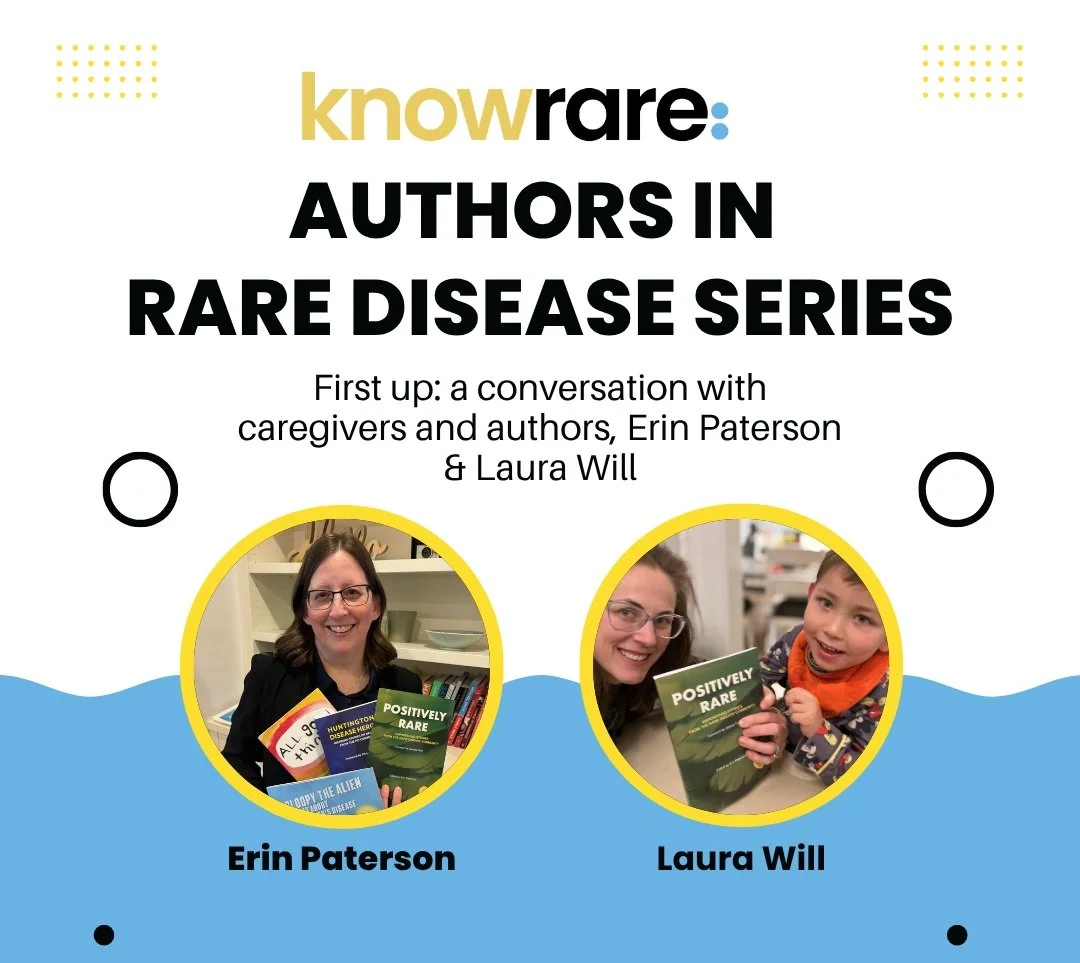
Watch an intimate and inspiring conversation between Erin Paterson, an internationally recognized rare disease advocate and bestselling author, and Laura Will, a nurse practitioner, writer, and mother of a child with a rare brain malformation. Together, they will explore the complexities of living with and caring for individuals with rare diseases, sharing personal stories, coping strategies, and the power of community.

On the “Rare Insights” podcast we bridge the gap between those living with rare diseases and the biopharmaceutical industry.

Journalist Lindsay Guentzel describes navigating a diagnostic odyssey and how she manages day-to-day life with myositis in an impactful webinar.

Rare mom Samantha Deschenes gives us an unfiltered look into life as a parent to a child with refractory seizures.

Join Know Rare in a heartfelt exploration of the profound impact of journaling on the lives of those touched by rare diseases. In the “Know Rare Connect: Journaling Your Journey” webinar.

In this recap of our first live Know Rare Connect event, we meet some incredible members of the Know Rare team and hear their stories.
REAL STORIES

From prenatal uncertainty and postpartum anxiety to therapy, grief, and hope, a mother shares her experience raising a child with a rare disease, navigating the healthcare system, finding community, and learning to embrace a different—but deeply meaningful—path as a parent.
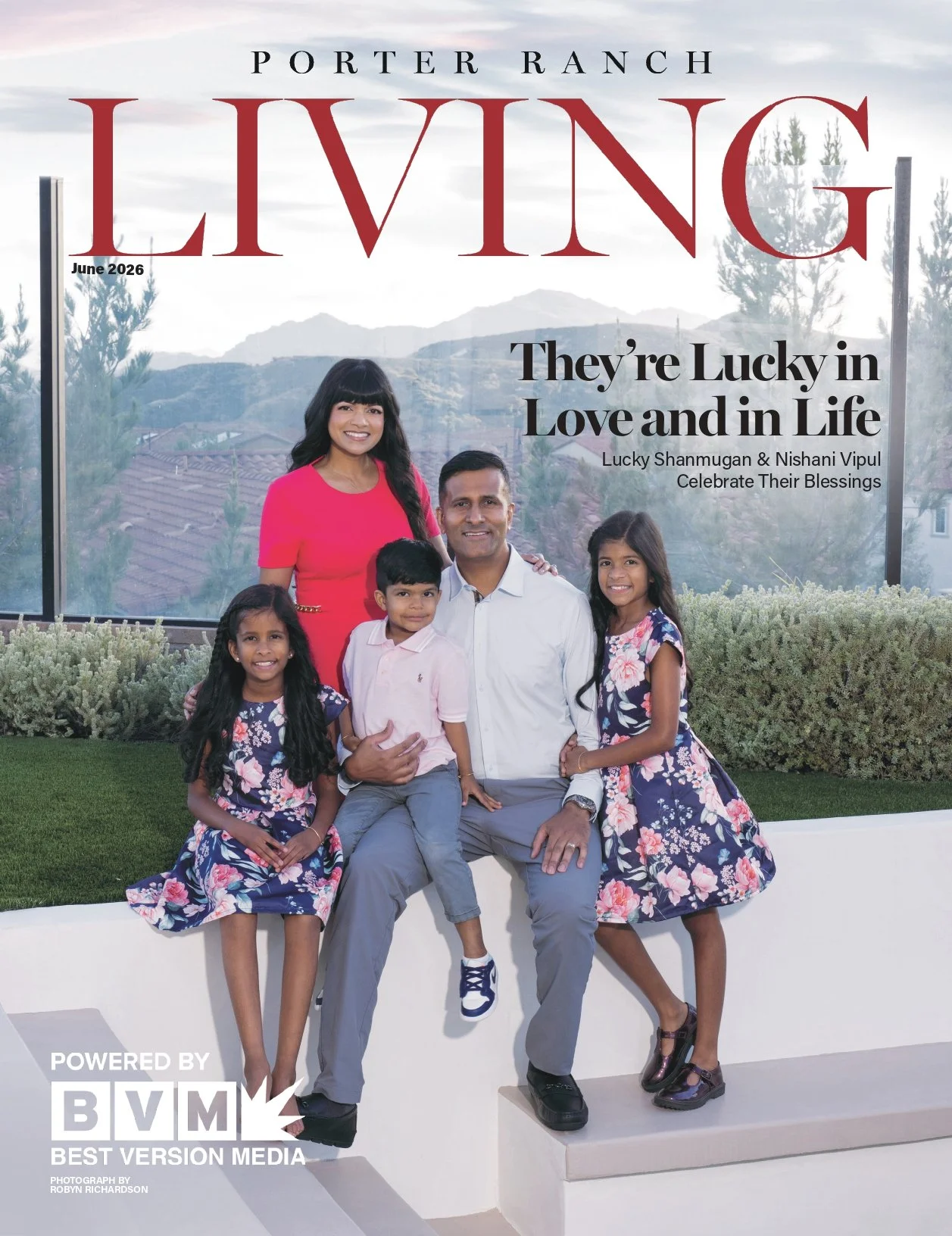
Lucky Shanmugan was recently featured in Porter Ranch Living, his local magazine, for Father’s Day: in his interview, Lucky talks about Osteogenesis Imperfecta, a rare genetic or heritable disorder of the connective tissue, and the incredible journey towards his official diagnosis.
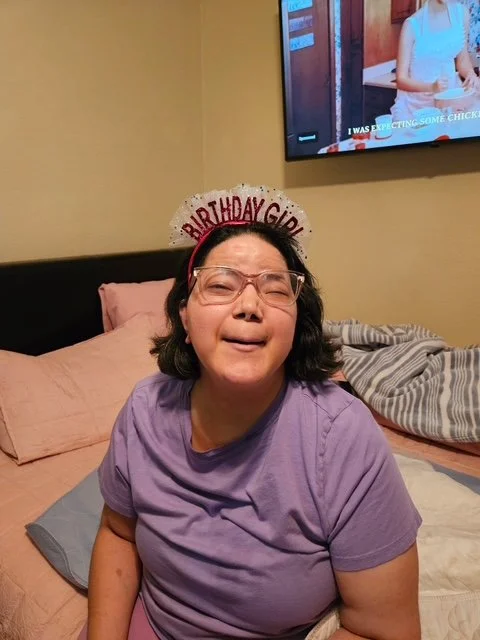
A family’s hardships and resilience in finding answers and getting a diagnosis for their child, after numerous tests, brain biopsies, and hospitalizations. And the relief but also grief in finally putting a name to the rare disease that affects their child: BCL11B-related disorder.

A heartfelt story about a mother who found purpose and strength among the tragedy of losing a child diagnosed with an ultra rare genetic disorder.

A prose poem by Jim Kuhn, a rare warrior living with Sarcoidosis, a rare inflammatory disease.

Four years ago, Michael Grivas’ life suddenly changed when he learned that he had Brugada Syndrome, a genetic disorder in which the electrical activity of the heart is abnormal due to channelopathy. Learn more about his story.

After 14 years of misdiagnosis and debilitating illness labeled as Lyme disease, a mother uncovers the truth—her daughter had aggressive multiple sclerosis (MS). Told through the lens of a fierce advocate and cancer survivor, this emotional account highlights the life-changing impact of finding the right doctor and fighting for those you love when they can’t fight for themselves.

Sierra Domb is a neuroscience research collaborator and health communicator living with erythromelalgia, a rare neurovascular peripheral pain disorder. She shares her diagnostic journey and provides tips for managing symptoms and developing resilience in the face of rare disease.

A powerful personal journey through Koolen-de Vries syndrome, ADHD, and neurodivergent parenting. Discover how one mother turned diagnosis into empowerment, embracing difference, healing guilt, and raising resilient, remarkable children in a world that doesn’t always understand.

Toni Roberts lives with Epidermolysis Bullosa, a rare genetic disorder that causes the skin to be extremely fragile and prone to blistering and tearing. Toni’s condition profoundly impacted her older sister, Cady Ward. Witnessing Toni’s daily struggles and challenges, Cady was inspired to become an advocate for rare disease and take on an extraordinary challenge—run an ultra-marathon.

After his diagnosis of limb-girdle muscular dystrophy type 2B at age 21, Chris initially opted for a safe career path, choosing jobs with steady income, benefits, and predictability. However, this decision made him feel like something was missing. Find out how Chris was finally able to follow his heart, finding purpose and contentment in becoming a writer.

Learn about the incredible story of Edward Gent, a Sports Nutritionist diagnosed with MMN, who decided to create an app to help others worldwide with their disease and symptom management.

Know Rare writer Gina DeMillo Wagner’s new memoir, Forces of Nature explores powerful themes related to caregiving and rare disease.

Journalist Lindsay Guentzel offers an inside look at life with the rare muscular condition.

Many people living with rare disease describe life in terms of before and after: Before a diagnosis, they experience frustration, confusion, and exhaustion as they see various doctors and try to make sense of their symptoms. After a diagnosis, they may experience waves of relief mixed with a determination to find treatments – and often, grief about the impacts of the disease on their lives. No one understands how it feels to step across that invisible before-and-after line better than Julia Lefelar, Executive Director and Co-founder of the MOG Project.

Orit recently joined the Know Rare business development team with the goal of helping other caregivers and patients learn more about how to engage with clinical studies and other opportunities for support. Here’s how she is reframing attitudes towards life with a rare condition.

Caitlin Eppes shares the inspiring story of The Avery Project, an initiative named after her daughter and dedicated to research of her rare genetic variant, and discusses how her family defied one-in-a-million odds to find a breakthrough in their diagnostic journey.

Learn what Certified Child Life Specialists do and why they can be a major asset to families navigating rare disease journeys in this story by Katie Whelan, a Certified Child Life Specialist & Family Engagement Coordinator.

Storytelling is a powerful way to process adversity and make a difference in someone else's life.


Know Rare is thrilled to be partnering with Chris Anselmo, author of “Hello, Adversity,” as he becomes a regular contributor to our platform.

The bittersweet and unpredictable chain of events that made Donna Rae Menard a believer in the clinical trial process.

As a child, Becky Tilley often felt like she didn’t fit in or wasn’t as successful as other kids in most academic areas… except for one subject: English. Her love for reading and writing returned in her adulthood, when she started blogging about living with a rare disease called Koolen-de Vries. Learn about her newest book, Thrive Rare: Embracing the Uniqueness Within, born of her desire to spread hope.

I was twenty-six years old, a filmmaker, leading a totally normal and healthy life, until I was diagnosed with myasthenia gravis. My name is Krystel El Koussa, and this is my story.

Alice, a rare mother from the Czech Republic, shares her story with the rare community. She talks about the diagnosis process, the hopes, and the challenges of taking care of her son Alexík, who lives with three rare diseases.

Cate shares her experience of living with myasthenia gravis, and reveals how practicing mindfulness and gratitude have greatly improved both her mental health and daily life.

Caring for someone with a rare disease can tremendously impact our daily life and well-being. Annie Harper shares her mental health journey and the importance of finding the right support.

My name is Lindsay Alpert and I am thirty-one years old. This is my journey and path to my diagnosis of a rare chronic autoimmune neuromuscular disorder, Myasthenia Gravis.

Laura shares her story of living with MS and ITP, a rare disease that affects the number of platelets in the blood. Learn more about her perspective on life, her day-to-day activities, and her experience in joining a clinical study.

Joan shares her experience of living with ITP, a rare disease that affects the number of platelets in the blood. Learn more about her worries and the useful advice that she offers to the Know Rare community.
RARE TIPS

Here are 9 things Chris Anselmo wishes someone had told him after his rare disease diagnosis.

For many families, caregiving for a child with a rare or medically complex condition is a full-time job. The problem is, it’s a job with no training, no time off, and no clear job description. If you’re looking for the light at the end of the tunnel, you don’t have to search alone. Check out some of Paige’s favorite resources.

For most of celiacs, despite months on a strict GF diet, energy stays low and blood work reveals nutrient deficiencies. The lesson? A "gluten-free" label isn't a health guarantee—just a guarantee you'll pay more.
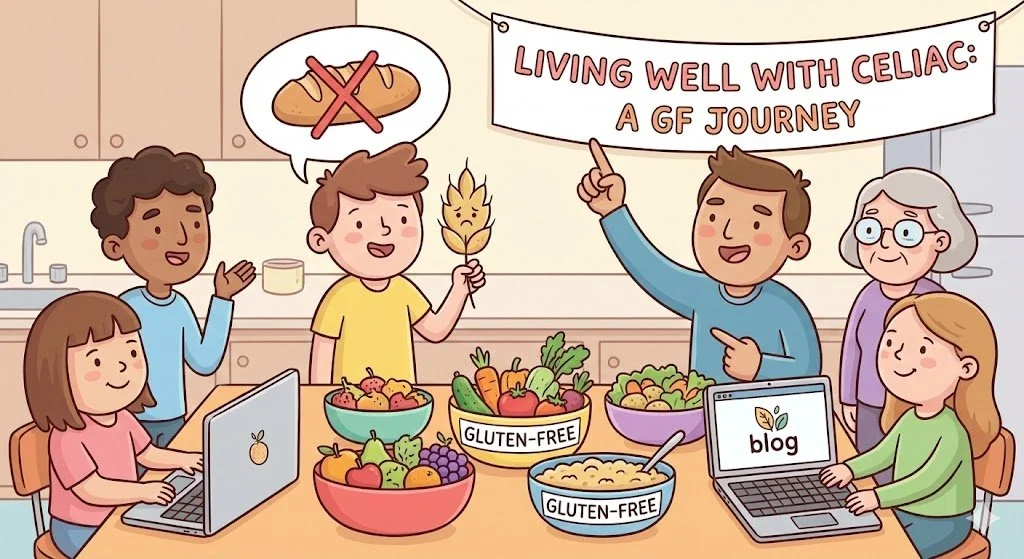
When I was diagnosed with celiac disease, I thought avoiding bread and pasta would be enough. I quickly learned that living truly gluten-free is far more complex, and I'm sharing my experience to help newly diagnosed individuals understand what lies ahead.

When you’re living with a rare disease or loving someone who does, mobility challenges can be both physically and emotionally demanding. Here are some bathroom hacks.

When you’re living with a rare disease or loving someone who does, mobility challenges can be both physically and emotionally demanding. Here are a few clever ways to use pool noodles.

When you’re living with a rare disease or loving someone who does, mobility challenges can be both physically and emotionally demanding. Here are some tips for dressing with easiness.

When you’re living with a rare disease or loving someone who does, mobility challenges can be both physically and emotionally demanding. Here are some ideas for making your home smarter.

When you’re living with a rare disease or loving someone who does, mobility challenges can be both physically and emotionally demanding. Here are some tips for getting creative in the kitchen.

Discover how patient education empowers individuals with rare diseases to better understand their diagnosis, make informed decisions, and actively participate in their treatment plans. Learn why clear, compassionate communication is key to improving outcomes in rare disease care.

If you are coming across high copays and struggling to afford your treatment plan, here are a few options that may help you reduce the costs of your medications.

When you live with a rare disease, the joyful experiences risks can bring are all the more valuable.


Get essential information about congenital myasthenic syndromes (CMS) and why clinical trials are a crucial element in the path towards better treatment for the condition.

Get the basics on needle anxiety, one of the top medical fears among children, and discover tips to manage it.

On World Oral Health Day (March 20), we’re taking a closer look at what your oral health can tell you about your well-being.

As we step into Rare Disease Month this February, it's an opportune time to celebrate resilience, foster connection, and empower ourselves within the rare disease community.

An expert on adolescent health shares tips for families navigating substance use concerns alongside rare disease.

It’s National Influenza Vaccination Week: find out why the flu vaccine should be a critical part of your winter to-do list.

Special diets can be a challenging but necessary part of rare disease treatment. Here, a leading dietician offers advice for supporting nutrition from birth through adulthood.

Tips from Know Rare on what to do and what to say to be a supportive ally to a friend, family member, or other loved one who has been diagnosed with a rare disease.

Read about the ways doctors diagnose Autoimmune Hemolytic Anemia (AIHA) and some common symptoms.

We spoke with several teenagers and their parents about how they cope with different aspects of living with rare disease. Here are their best tips and advice.

Many patients managing rare diseases and conditions will be familiar with fatigue. Though it might seem like a common annoyance, fatigue is a debilitating symptom that can sap physical energy and reduce mental clarity and alertness.

This article lists some of the ways that doctors treat Autoimmune Hemolytic Anemia, as well as some of the potential side effects.

MG is a chronic condition with symptoms that come and go. It can be severe, but it’s also a treatable condition. Here are 10 key insights for MG patients and their support networks.

At Know Rare, we believe sharing our questions, experiences, and collective wisdom can help us all in navigating an uncertain course with our rare disease. For medical questions, it is always important to consult your doctor or specialists; however, sometimes it can help to have information to share with them. This is the first of a series of questions we received and the research we’ve found on the topic.

Symptoms of myasthenia gravis (MG) often fluctuate. There may be times when you have only minor symptoms or no symptoms at all.
RARE RESILIENCY

Rare Mom Laura shares how her family’s prep for Halloween turned into a burst of familial love and creativity, as they all worked together in designing and building a costume for Alden, her medically complex son.
Instead of starting with a newly discovered drug compound, PCOR is a type of research that starts by turning to patients and caregivers and asking, What matters most to you? What questions do we want answered? What symptoms do we wish were better managed? What keeps us up at night?

A heartfelt mother’s account on five years of navigating pediatric specialist waiting rooms with her medically complex child.

As a pivotal diagnostic date approaches, a Rare Mom reflects on the complicated emotions associated with pregnancy.

One Rare Mom gets the unvarnished truth on the challenges families face when living with this complicated condition.

A mother to a child with a rare condition discusses palliative care programs and how they’ve impacted her family.

For those of us caring for people with rare diseases, the words we use to describe them have the power to frame their experiences. Learn how Laura uses her language to empower her child and her role as a caregiver.

Louisa Stringer, a certified caregiving consultant, shares the benefits of journaling for caregivers facing the uncertainties of rare disease.

In this journal entry, Laura Will shares her emotional experience in returning to the MRI suite where, in 2020, her family’s life ‘would never be the same.’
In wishing our rare community a happy Rare Disease Day, discover the empowerment and uniqueness that lies behind the word ‘rare,’ leading Laura Will to readily call herself a ‘rare mom.’

Here’s a rare mom’s reflection on the innocent curiosity of her well child and the questions about disability that she must learn to answer.

I can recall the sunny, white-walled classroom, on the upper west side of New York City, where I first heard the medical term, “Failure to thrive.” I was a student, working towards a Master’s Degree in Nursing, reviewing diagnostic criteria of various gastrointestinal conditions…

Read a personal perspective of a mother raising both well and medically-complex young children. Learn about the impact a medically-complex sibling can have on the family dynamic, and access resources that may support the well child in exploring their emotions.


Research shows that rates of depression and anxiety are elevated among parents and caregivers of children with complex care needs. This is no mystery. I see many contributing factors: grief, chronic stress, poor sleep, caregiving burden, potential loss of work to care for the child, financial stress, social isolation, and spousal relationship problems. Which of these factors rings true for you?

As a community advocate for the Rare Advocacy Movement, Uni Neha has a passion for guiding others in their rare disease journey. We sat down with Uni to talk about her resiliency routine and to hear her advice to others who are looking for new resources to support their well-being.

Discover how humor can be an incredible tool for protecting, connecting, and emboldening caregivers in many of their dark and difficult moments.

In our family, the love is infinite and the joy is absolute. In many ways we are like any other family; however, as we navigate this decision to have another biological child, the math is painfully different. I feel overwhelmed by uncertainty, the possibility of genetic errors, and the fragility of life.

Caring for a chronically ill child can be emotionally perilous. As a rare parent, Laura knows that sorrow naturally slips into moments of joy. By practicing and sharing gratitude, Laura gains control and eases those moments of fear and grief. Discover the power of gratitude and learn how the act of giving thanks transformed the way Laura experiences her husband, her children, and her day-to-day life.

After her infant son was diagnosed with a rare brain malformation, Laura had an identity crisis. She was no longer just-a-mom, but also a family caregiver. Although this newly acquired title may be emotional and exhausting at times, Laura discovered in herself unforeseen skills and a remarkable strength. She delves into the description of the four states of a caregiver’s identity and creates a beautiful metaphor for this extraordinary role.

While I can not trust the future health of my child, I have found things I can trust: his doctors, his one-to-one aid, my partner, the coffee maker, laughter, and my desire to care for my son. Naming the things we trust can offer some sense of control. With that trust, the fear is held at bay; and, if we pay attention, hopeful little moments start unfolding before us.

Rare Resiliency is a monthly column written and/or curated by Laura Will. This column explores the concepts and skills that play a protective role against chronic and acute stress. Each article challenges and encourages the reader to continue to develop that inner steadying strength as they face illness and uncertainty, sorrow and joy.
MENTAL HEALTH

Exploring the unique challenges rare-disease caregivers face, and how mindfulness and inner awareness can offer resilience and renewal.

Author Chris Anselmo explains why being mindful of your pace can have major benefits for your health and well-being, and offers some tips to help.

In his last post, author Chris Anselmo explored why it’s so hard to ask for help. Now, he shares his tips for how to do it with confidence.

Hello, Adversity author Chris Anselmo delves into the common obstacles that make seeking help challenging, particularly for many people living with rare disease, and the transformative power of overcoming those mental blocks.

How writer Chris Anselmo confronts one of the most challenging yet persistent aspects of living with rare disease.

The holiday season is just around the corner, and for many, this time brings joy and connection; however, if you are navigating the diagnosis of a rare disease, the holidays can be stressful and challenging. Here are our five ways to protect your emotional health during the busy holiday season.

When it comes to mental health, rare disease can put you on shaky ground. You’ve likely faced years of uncertainty just waiting for a diagnosis. Not knowing what is wrong or what to expect in the future is scary and unsettling. Because little is known about many rare diseases, there may be no one to turn to for answers. No wonder stress is the main culprit affecting mental health for people with rare diseases.

Next to a focus on self-care, social support may be the most important factor in successful long-term coping with ambiguous loss (AL)—a sense of loss characterized by uncertainty about the loss of a loved one and/or the life we once knew.

Ambiguous Loss is unique in that people facing this kind of loss are denied traditional closure rituals and acknowledgements, like memorials and respite periods, as well as typical social support and bereaved status. They are expected to carry on as usual, and may be stigmatized when they do not.

Pre-procedure anxiety is a normal part of the medical process. In fact, up to 80 percent of surgical patients are reported to experience anxiety before operation.
RARE LEADERS

Dr. David Fajgenbaum was in his third year of medical school when a rare and mysterious illness derailed his plans. Crushing fatigue, abdominal pain, and multiple swollen lymph nodes progressed rapidly, and he found himself in the ICU with multiple system organ failure. Recovering from the brink of death, he was diagnosed with Castleman disease (CD), a rare condition that at the time was thought to be a lymph node disease with similarities to cancer.

Learn about Dr. Rohit Aggarwal’s efforts in creating more centers of excellence for myositis, as well as educating, empowering, and connecting patients to clinical trials.

At age 15, Becca Salky became her own medical detective, playing a key role in uncovering her diagnosis. Now, as a Clinical Research Coordinator at Massachusetts General Hospital, she focuses on spreading awareness about MOG, finding better diagnostic tools, leading clinical trials, and fighting gender disparity.

The best way to understand how rare disease impacts patients and families is to listen. Dr. Susan Waisbren, a clinical psychologist, has seen this firsthand.

When it comes to complex, rare diseases, most people don’t think “dermatology.” But they should, says Prince Adotama, MD, a board-certified dermatologist and faculty member at NYU. Dr. Adotama specializes in skin of color care and skin autoimmune disorders, including rare bullous disorders.

Jessica Duis, MD is more than a pediatric geneticist. She’s a partner and friend to children and adults who have Angelman, dup15q, and other related syndromes. Throughout her career, she has noticed a need for patients and their families to find community and support within the walls of the hospitals and clinics where they spend so much time.

Learning that your child has a rare genetic disorder is a profound moment for any parent. But imagine finding out for the first time that you have the same disorder too. That was the scenario Becky Tilley faced the day she learned that she, her infant son, and her then-unborn baby all have Koolen-de Vries Syndrome.

Joshua Owens, MD, a Genetics doctor at Cincinnati Children’s Hospital. encounters families seeking answers to the range of mysterious symptoms and diseases that have genetic origins. Read on to learn about the types of genetic testing that are available today, as well as the benefits and risks of testing.

Anne-Marie McIntyre is a clinical research coordinator and research assistant at Cincinnati Children’s Hospital. Learn more about her educational and professional pathway, which led her to specialize in mitochondrial disease, and her work in research.

Dr. Pushpa Narayanaswami is a neurologist based in Boston, Massachusetts. At the core of her work is to help patients live each day a little better and aid them to achieve their goals of care together. Read on to discover what led her to pursue her field of study and where she sees rare disease research going in the next few years.
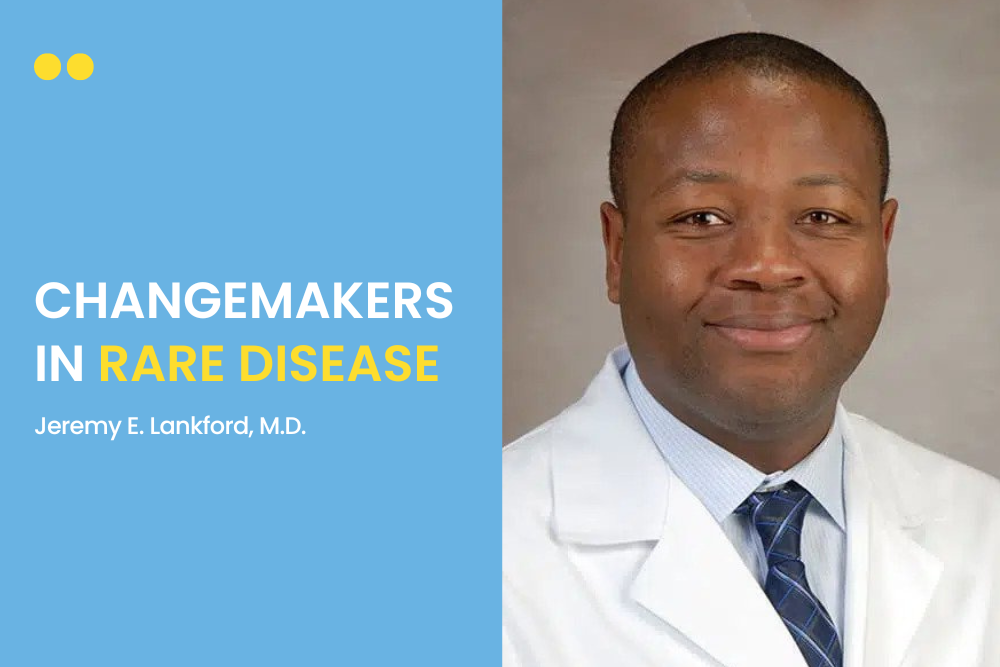
At only four years old, Jeremy Lankford already knew that he wanted to be a neurologist. Today, that dream has come true, but what makes that reality even sweeter for the now-veteran physician is that his expertise is focused on improving the lives of kids just like that young version of himself.

Dr. Mary Kay Koenig is a physician with many interests, from chemistry to neurology to children's care—but at the beginning of her medical career, she never could have guessed that mitochondrial medicine would be the specialty where all of her passions intersected.

Bob Coughlin, who today serves as an advisor to life science companies, was never one for thinking small or limiting his ambitions for rare disease patients. Learn how he and his family overcame the obstacles of cystic fibrosis (CF), raising awareness and money to search for a cure.

Dr. Chapman is a leading expert in PA and serves as the director of the mitochondrial disorders clinic at Children’s National. Learn more about Dr. Chapman’s work, and why she feels that clinical trials are a crucial pathway to rare disease therapies.
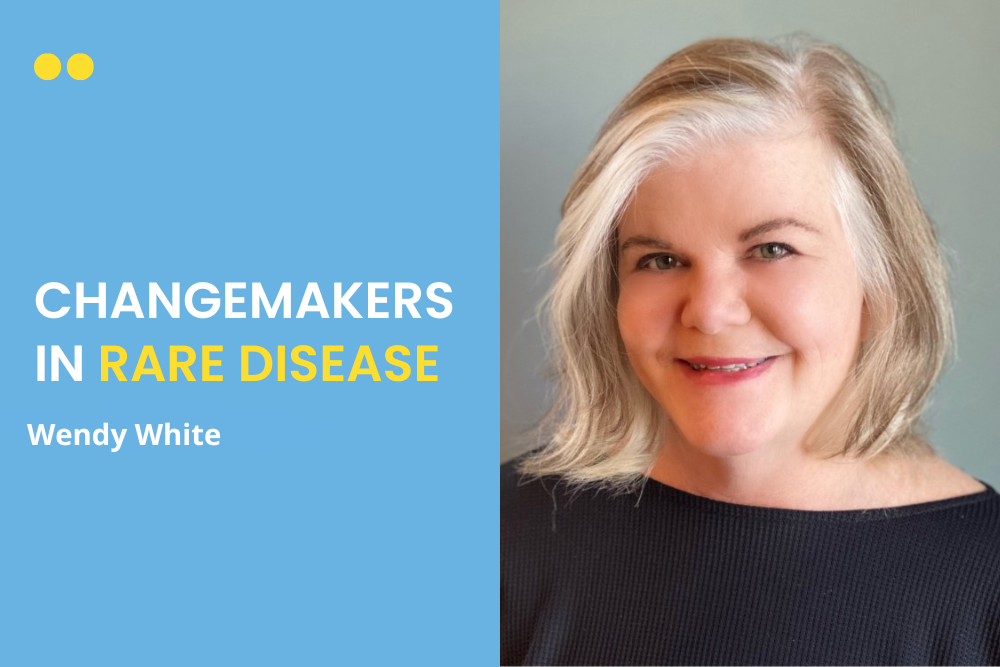
When Wendy White sees gaps in knowledge, she doesn’t wait for others to close them. She steps in and fills them herself. It’s this indomitable spirit and innovative problem-solving that led to her becoming a true changemaker in rare disease.
CLINICAL TRIALS


Breaking down the differences between observational studies and clinical studies for drug research.

Ongoing clinical trials are paving the way for reducing steroid dependency and improving treatment options for various medical conditions.
The bittersweet and unpredictable chain of events that made Donna Rae Menard a believer in the clinical trial process.

For many of us in the rare disease community who have no approved treatments available, clinical trials are a powerful source of hope. Read on to learn about the benefits of joining a research study and how you can take part in one.
If you are interested in joining a research study, you may encounter some difficulties in navigating clinical trial listings. Here’s a quick guide to help you understand the terminology you might find in a clinical trial listing.

As a member of the rare community, you may know something about the process a new medication must go through before it receives FDA approval. Clinical trial phases 1 through 3 are conducted to establish the safety, effectiveness, and optimal dosage of a new treatment before it is made available to the public. But did you know that some drugs undergo an additional step post-approval to track their performance in the real world? These post-marketing studies, called phase 4 studies, help manufacturers learn more about long-term benefits and risks and offer a number of benefits to study participants.

7 tips for finding the right clinical trial for you and how Know Rare makes it easier to find a clinical study and talk to a researcher.

For many, “experimental” is what may come to mind when hearing about a clinical trial, which makes the prospect scary. However, for someone who has a rare disease without a treatment, the course ahead may already be filled with so many unknowns. Participating in a clinical trial can offer the opportunity to get access to care with doctors who are likely experts in the studied disease. But the key is, do not be afraid to ask.


If you’ve spent any time reading up on or living life with a rare condition, chances are you’ve come across the terms “genetic disorder,” and “gene therapy.” But what exactly do they mean? And what differentiates them from other diseases and treatments?

Here’s a staggering statistic: only 5 percent of rare diseases have approved treatments. But that doesn’t mean there isn’t extensive work and research being done to find therapies, procedures, and eventually, cures for these conditions.
ORGANIZATIONAL SPOTLIGHT
Rhona Bowie shares the story behind ITP Young Adult Group, which aims to bridge the gaps between young adults with ITP and healthcare professionals, and to ensure that topics like mental health and sexual health are addressed.
The Danon Foundation boldly empowers people living with Danon disease, providing trusted information, resources and support to help navigate life, from diagnosis to treatment.
Therapy Near Me is a nationwide mental health service based in Australia, providing easy access to psychologists, counsellors, behaviour support practitioners and social workers.

Kaya Girl Legacy, Inc. is a Florida-based nonprofit founded in memory of Kaya Humbert, a beautiful baby girl born with Sphingosine Phosphate Lyase Insufficiency Syndrome (SPLIS), one of 46 known cases worldwide. The foundation is dedicated to empowering families with knowledge about their genetic health and advocating for early access to genetic testing and rare disease awareness.

Inspire is the world’s largest online community built entirely around the experiences of patients and caregivers. With more than three million members across 250+ condition-specific communities, Inspire offers a place where people can find support, information, and belonging.


Learn more about CureGRIN, founded in 2018 by parents of children diagnosed with GRIN Disorder to help find cures and therapies for people around the world suffering from these conditions.

The International Waldenstrom's Macroglobulinemia Foundation (IWMF) is a patient-founded and patient-driven, international nonprofit organization with a simple but compelling vision and mission: to have a world without WM (Waldenstrom's macroglobulinemia) and to support and educate everyone affected by Waldenstrom's macroglobulinemia (WM) while advancing the search for a cure.

The MOG Project is devoted to raising awareness about MOG Antibody Disease (MOGAD), as well as educating doctors, patients, and caregivers and also advancing research through expert collaboration and fundraising for our Research for Rare program.

Spotlight on Trial Equity, an organization whose mission is to address the underrepresentation of diverse populations in clinical trials, ultimately advancing health equity.

SRNA is a not-for-profit, international organization dedicated to the support of children, adolescents, and adults with a spectrum of rare neuroimmune disorders. Learn more about their work, community, and resources.

Cure CMD is a non-profit organization whose mission is to advance research toward treatments for congenital muscular dystrophies (CMD) and improve the lives of those living with CMD through the engagement and support of their community.

AVM Alliance is a 501(c)(3) charity dedicated to filling the needs of the pediatric Brain AVM & Stroke community, helping parents of children who have been affected by brain vessel disease and Stroke.

After their son’s diagnosis of Epilepsy, the Anderson’s struggled to find a sleep-monitoring solution that worked for them. They decided to take matters into their own hands and created SAMi, a device designed to track nocturnal seizures as well as many other nighttime symptoms. Now, the family continues to develop SAMi, and unlock potential in the device that they are uncovering as they go.

The National Human Genome Research Institute (NHGRI) is a leader in the celebration of National DNA Day. Learn more about their mission and purpose.

ANGEL AID supports rare families and offers relief services to caregivers through sustainable health and wellness training, transformative retreats, and a globally connective mother-to-mother network.

The Cure Mito Foundation is a volunteer-run foundation dedicated to advancing education and research for Leigh syndrome and mitochondrial disease.

For over 25 years, the United Mitochondrial Disease Foundation (UMDF) has worked to promote research and education for the diagnosis, treatment and cure of mitochondrial disorder while supporting affected individuals and families.

For parents and other family members of children with disabilities, nothing is more comforting than the voice and wisdom of someone who’s been there—someone who truly understands the ups and downs of living alongside someone with a rare disease or rare disorder. That’s why Theresa Bartolotta decided to offer a podcast.

When it comes to finding answers about rare disease, nothing is more powerful than a parent’s determination and perseverance. That’s exactly how the Familial Dysautonomia (FD) Foundation came to be in 1951.

When Paul Poth received a rare cancer diagnosis at age 37, it kicked off a series of events that would change the course of treatment for countless other patients. Read on to learn why Paul started TargetCancer Foundation and what is the organization’s main mission.

The Propionic Acidemia Foundation is a 501(c)3 non-profit organization dedicated to finding improved treatments and a cure for Propionic Acidemia by funding research and providing information and support to families and medical professionals.

The Organic Acidemia Association is a non-profit organization whose mission is to empower families and health care professionals with knowledge in organic acidemia metabolic disorders. Learn more about their patient registry, a new Metabolic balancer app, and their newborn screening resources.

The Genesis Foundation for Children is a non-profit organization that provides wraparound care for children born with rare diseases and genetic disorders. Learn more about their impact and the programs that they fund.
The PMG Awareness Organization is a nonprofit organization of families, caregivers, and medical professionals that support those with Polymicrogyria and raise awareness of this rare disease. Learn more about their goals and upcoming events.

Rare Patient Voice is a market research company that connects patients and caregivers with opportunities to share their opinions with researchers and companies developing medical products, treatments, and services.

The Alagille Syndrome Alliance is an international nonprofit that strives to create a loving and supportive community for all ALGS Warriors. Learn more about their mission and the several goals that they aspire to achieve.

Learn more about the National Society of Genetic Counselors (NSGC), an association which promotes the professional interests of genetic counselors and offers a network for professional communications. Access the full article to read about their mission, vision, and history.

The Center for the treatment of Pediatric Neurodegenerative Disease strives to centralize care for children afflicted with these rare, chronic, and debilitating diseases. The Center includes a multidisciplinary team of physicians and other healthcare providers offering comprehensive services to aid in the diagnosis, management, and social support of children and their families suffering from neurodegenerative diseases.

The National Alliance for Caregiving is an organization that’s dedicated to improving the quality of life for both caregivers and those in their care. With an emphasis on friend and family caregivers, the NAC aims to advance research, advocacy and innovation in all areas of caregiving.
NEWS

In children, ITP is more often diagnosed during the fall and winter. This pattern suggests that infections or environmental factors, such as viruses or some vaccines, may trigger the immune system to attack platelets. Researchers wondered if the time of year also affected when adults develop ITP.

A Danon disease study, led by researcher Dr. Barry Greenberg and published in the New England Journal of Medicine, wins an award! The study focuses on gene therapy as a potential treatment option for Danon disease. The study showed early signs that gene therapy may help the hearts of people with Danon disease.

A poster, presented at the European Hematology Association meeting in June, described a study that looked at tiredness (fatigue) in adults with immune thrombocytopenia (ITP). Researchers wanted to see if fatigue was related to bleeding or other health test results.

If you’ve been told you have seronegative NMOSD, there’s nearly 50/50 chance you have a different antibody causing your symptoms –MOG antibody.
At the annual Kidney Week of the American Society of Nephrologists (ASN), the world’s largest kidney healthcare professional organization, new advances in research were highlighted. Over $35 million has been invested in research with the ASN, and there are many treatments in development for IgA Nephropathy (IgAN), with researchers actively investigating more than 20 different drugs.
Retinopathy is an eye problem that many people with Danon disease have. It can cause dark spots in the outer part of the eye, blurry or worse vision, and unusual test results on an eye exam. Sometimes these eye changes show up before heart problems, so an eye check can help find the disease early.

Fatigue is a very common and often debilitating symptom of IgAN. It is linked to disease progression and reduced kidney function, but other factors like inflammation, anemia, and mental health also play a role. In a 2025 study, the majority of patients with IgAN reported fatigue, and patients with more severe proteinuria and lower kidney filtration rates (eGFR) experienced worse fatigue.

Discover how ITP patients and physicians differ in their views on fatigue—and how journaling and goal-setting tools can help reduce fatigue and improve overall quality of life.

Discover how genetics and family history influence IgA Nephropathy (IgAN) risk and development, especially in Asian populations.

Discover the latest treatments for IgA Nephropathy (IgAN), a rare kidney disease. Learn how current medications and emerging therapies work to slow progression, reduce proteinuria, and protect kidney function.


Recognizing the need for an effective way to treat becker muscular dystrophy, researchers have been studying the cause of muscle loss, and ways to stop it from happening.

Find out about 7 research areas identified as priorities in Sickle Cell Research and about a sickle cell disease drug, which was originally approved for treatment, that has been taken off the market.

There are over 50 million people in the United States that live with chronic pain. However, researchers studying pain have learned something important: perception of pain is personal, and may have more to do with other factors than just the physical cause of the pain.

Why Men’s Health Week (June 10-16) matters for the Rare Community, and how you can take part.

This summer, NMOSD and MOGAD patients, caregivers, clinicians, nurses, researchers, and advocates are invited to join The Sumaira Foundation at Emory for TSF's Atlanta Patient Day.

This May, Know Rare is shining a light on myositis, a group of rare autoimmune muscle diseases that can have profound effects on daily life. This is an important time for the myositis community and the rare disease community at large: a time to share stories from those living with the condition, share more information about the current state and future of the disease, and advocate for better treatments that will ultimately enhance the quality of life for those impacted by it. Whether you're a patient, caregiver, or advocate, join us in raising awareness and supporting those affected by myositis.

Recent headlines in research and advocacy show promising news for the treatment of rare diseases.

The National Tay-Sachs & Allied Diseases Association (NTSAD), leader in the worldwide fight to treat and cure Tay-Sachs, Canavan, GM1 and Sandhoff diseases, is hosting the first-ever, ExternallyLed Patient-Focused Drug Development Meeting for GM2 gangliosidoses (Tay-Sachs and Sandhoff diseases) on Thursday, February 15, 2024.

Edgewise’s investigational drug is a pioneering treatment for Duchenne and Becker muscular dystrophies.

Know Rare's Medical Advisor, led the Mass General for Children’s Storybook Ball, raising $1.9 million for innovative healthcare and research, while sharing her own personal rare disease journey, and highlighting Know Rare's mission to connect and empower individuals living with rare conditions.

A new treatment for myasthenia gravis, a rare neuromuscular condition, has been approved by the FDA thanks in part to the success of a clinical trial that Know Rare helped to recruit patients for.

In a 2021 report, authors Ahmad Saud, R Naveen, Rohit Aggarwal & Latika Gupta, all well-known experts in myositis, discuss recent findings about the relationship between COVID-19 and myositis.

Discover how forward-thinking researchers are designing clinical trials to accommodate people’s lives and needs, helping with clinical study participation and the development of much-needed treatments.

A recent study, involving children of ages 12 and older with PA or MMA, found an interesting approach in assessing individuals’ abilities to understand, think, and reason.

At times, managing a rare condition can feel like an isolating reality. We’ve rounded up notable names who break with that status quo, bringing rare conditions—and the stories behind them—into the spotlight.

This episode of the DNA Today podcast discusses how propionic and methylmalonic acidemia affect the body, the goal of HemoShear’s investigation therapy (HST5040) that is currently in development, mindfulness and coping with a diagnosis, and why the FDA tends to fast-track therapies that target orphan/rare diseases.

Patient-reported outcome measures (PROMs) help healthcare providers understand the impact of living with a disease on terms that matter to you.

Learn about a terrible story that occurred in 1989, when a woman named Patricia Stallings was wrongly convicted for the death of her son.

Management of chronic kidney disease is complicated by many things, such as fluid retention, anemia, and effects on multiple organs in the body. In India, where treatments can be too expensive and beyond the reach of the majority of the population, many have relied upon yoga as an alternative therapy.
As we welcome 2022, Laura Will chooses self-compassion as her New Year’s resolution. She delves into the description of the three key elements to self-compassion, revealing its many benefits. Instead of using self-critical thoughts to guide another transient resolution, Laura invites us to honor our imperfect and emotional selves, to practice self-kindness, and to channel some caring energy inwards.